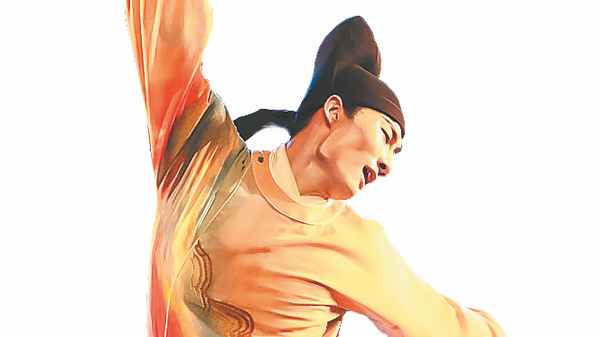
Wang Wei
Overview
Wang Wei (701-761) was a prominent poet, painter, and musician during the Tang Dynasty in China. Known for his profound influence on Chinese art and literature, Wang Wei's work embodies a deep connection with nature and Buddhist philosophy. His poetry and paintings often reflect the serene beauty of landscapes and the tranquil essence of Zen Buddhism, earning him a lasting legacy in Chinese cultural history.
Life and Background
From a young age, he demonstrated exceptional talent in literature and art, which eventually led to his success in the imperial examinations. Throughout his life, Wang Wei held various governmental positions, balancing his administrative duties with his artistic pursuits. His works are renowned for their simplicity and depth, often intertwining his Buddhist beliefs with his observations of nature.
Literary Contributions
Wang Wei is celebrated as one of the greatest poets of the Tang Dynasty, a period often referred to as the golden age of Chinese poetry. His poetry is characterized by its vivid imagery and emotive depth, capturing the quiet beauty of nature and the introspective peace of meditation. Among his most famous works is the poem Lu Zhai (The Deer Enclosure), which epitomizes his ability to convey profound meaning with minimal words.
Artistic Influence
In addition to his literary accomplishments, Wang Wei was an accomplished painter and musician. As a painter, he is credited with pioneering the Southern School of Chinese landscape painting, which emphasizes the expressive use of brushstrokes to convey the spirit of the landscape rather than its exact form. His paintings are noted for their ethereal quality and harmonious integration with his poetic themes.
Legacy and Impact
Wang Wei's impact on Chinese culture extends beyond his lifetime. His seamless blend of poetry and painting has inspired countless artists and writers, establishing a tradition of integrating visual and literary arts in Chinese culture. His works continue to be studied and revered for their artistic innovation and philosophical depth, reflecting the enduring appeal of his vision of nature and spirituality.
Cultural Context
During Wang Wei's time, the Tang Dynasty was a period of great cultural flourishing in China. The era is noted for its advancements in art, literature, and philosophy, with poets like Wang Wei, Li Bai, and Du Fu playing pivotal roles in shaping Chinese literary heritage. Wang Wei's incorporation of Buddhism into his art and poetry reflects the broader influence of Buddhist thought on Tang culture, where it complemented Confucian and Taoist traditions, enriching the cultural and intellectual landscape of the time.
Selected Works and Themes
Wang Wei's poems often explore themes of solitude, nature, and spiritual reflection. His works are marked by a Zen-like tranquility and a deep appreciation for the natural world. In poems such as Birds Calling in the Ravine, he captures the interplay between the silence of nature and the inner peace of meditation. His poetry and paintings alike exhibit a refined simplicity that invites contemplation and introspection.
Influence on Later Artists
Wang Wei's fusion of poetry and painting has left a lasting legacy on Chinese art, influencing later generations of artists and poets. His approach to integrating visual and literary arts laid the groundwork for the "poetry-painting" tradition in Chinese culture, where artists seek to evoke the spirit of poetry through visual art. This tradition has continued to evolve, inspiring modern interpretations and adaptations in various artistic forms. Article reference1. Exhibition expounds on 'vision and verse' in Chinese art. chinadaily.com.cn. 20242. New book records evolution of art in China. chinadaily.com.cn. 20223. NPC deputy crusades to raise profile of Tang literary legacy. chinadaily.com.cn. 2021Photo Gallery(1 picture)CategoriesArtsTagChinese PaintingHistorical FiguresArtistsRelatedNingxia ShapotouLiterati PaintingTang PoetryFu LeiCatalogue1. Overview2. Life and Background3. Literary Contributions4. Artistic Influence5. Legacy and Impact6. Cultural Context7. Selected Works and Themes8. Influence on Later Artists- - - []








